Does Silicone Scar Tape Work on Old Scars?
Reviewed by Dr. Jeffrey Weinzweig, MD, FACS, plastic surgeon and Fade Away clinical advisor. Updated November 2026.
Silicone works best on newer scars, in the first 6 to 18 months while the scar is still remodeling. It can still help an older scar that is raised, firm, itchy or discolored, though changes are usually slower and smaller. A flat, pale, fully mature scar is unlikely to change much. For an old raised scar, wear silicone 12 to 23 hours a day for at least 2 to 3 months before judging the result.
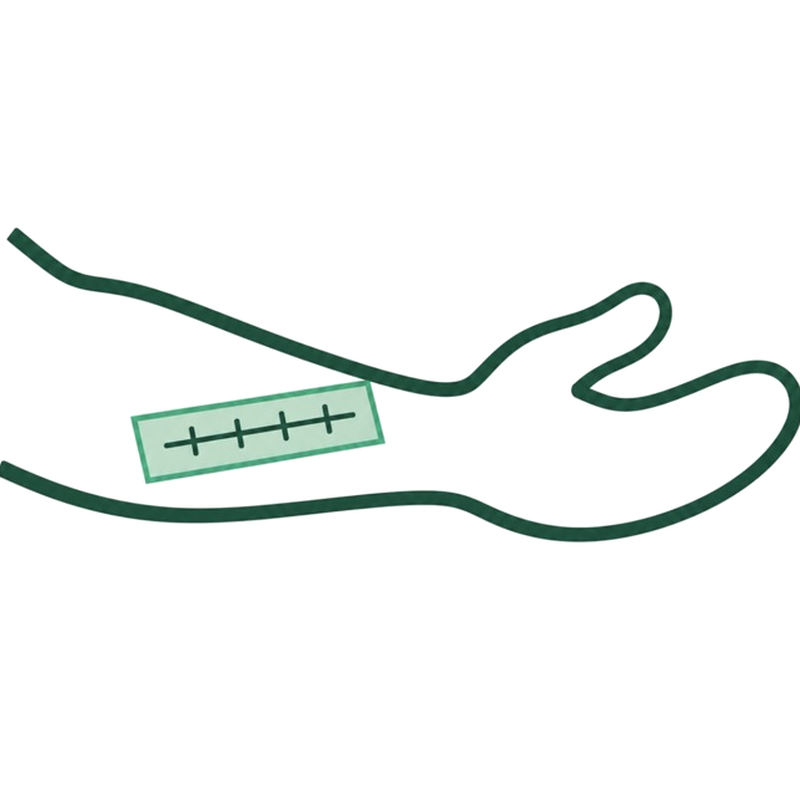 1. Silicone
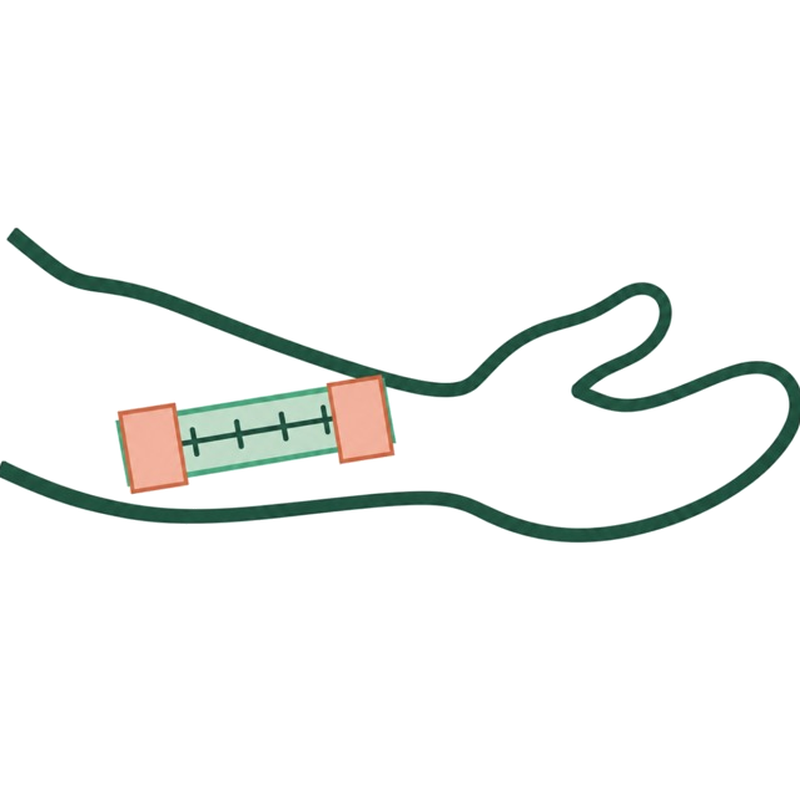 2. Add tape if it lifts
How do I tell if my scar is still changing?
A scar that is still pink, red, raised, firm or itchy is still active, and silicone has more to work with. A scar that has turned flat, soft and white has mostly finished.
Which old scars respond best?
Raised scars that stay within the original incision line, often called hypertrophic scars, are the most common reason people use silicone on an older scar. Scars that grow beyond the incision, called keloids, need a doctor's care; silicone may be part of the plan.
How long should I try it?
Give it 2 to 3 months of near-daily wear, 12 to 23 hours a day. Take a photo in the same light at the start and every 4 weeks so you can compare.
When should I see a doctor instead?
If a scar is growing, painful, keeps breaking open or is spreading past the original incision, see a dermatologist or plastic surgeon.
Get the free 12-week scar care guide Shop Fade Away